

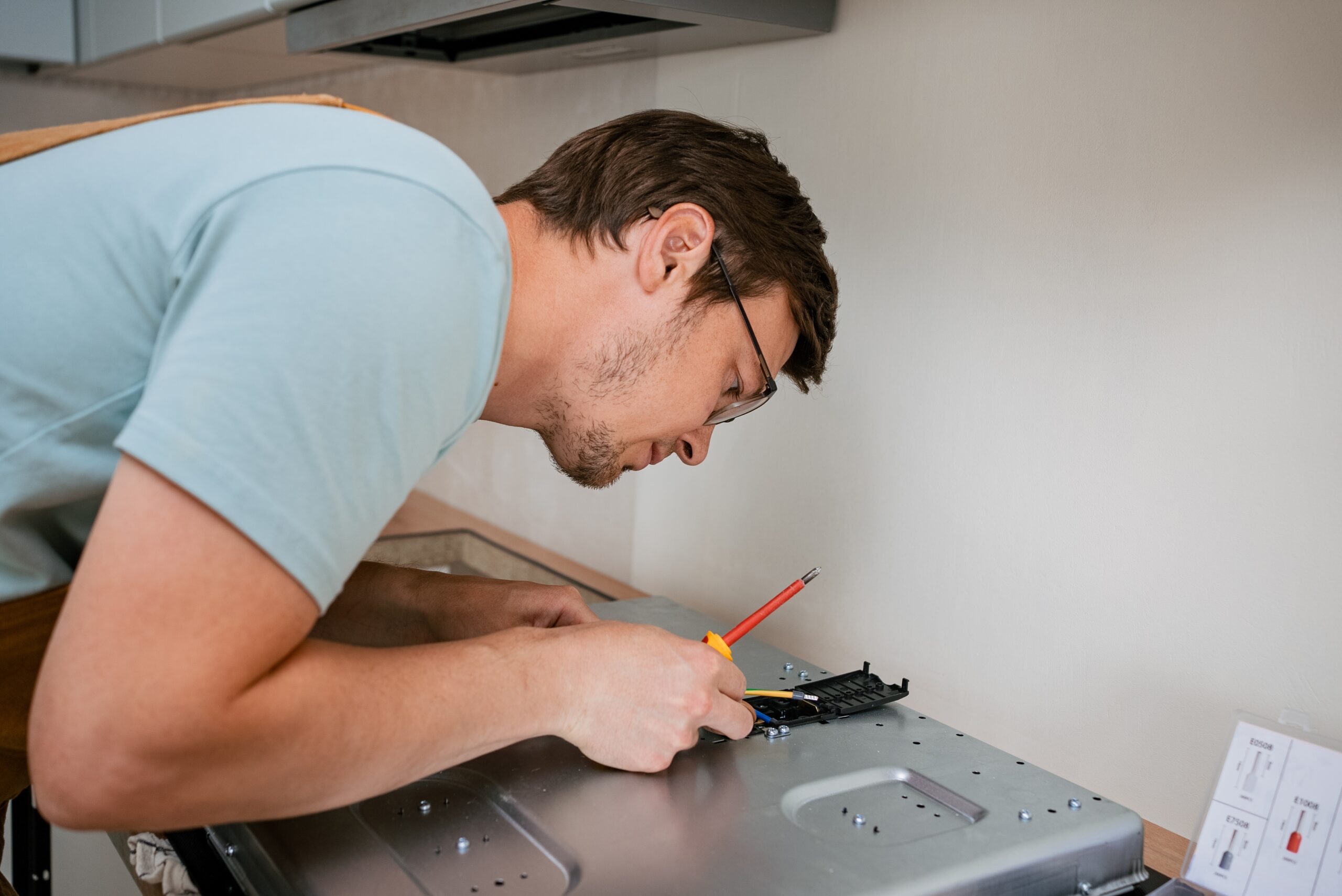
Your home runs fine until it doesn’t. One day a breaker trips for no reason, and that’s when good professional electrical services in Vinton, VA, prove their worth. A full inspection isn’t a guess. It’s a careful look at the wiring, panels, outlets, and grounding that keep your house safe. Think of it as a checkup for everything behind your walls. A good technician finds the small stuff before it grows into a costly mess. Here’s what they actually check.
1. Start at the Breaker Box
It all starts at the breaker box. The technician pops the cover and reads it like a doctor reads a chart. They look for scorch marks, rust, and that burnt-plastic smell that means a breaker has been cooking itself. One common find? Two wires shoved under a single screw built for one. That’s a quiet fire risk. They check the amperage too, since a small panel feeding two AC units and an EV charger is stretched thin. Old Federal Pacific and Zinsco panels get flagged right away, since both have rough records. Loose screws, missing labels, and overheated wires all go in the report.
2. Outlets and Switches Talk
Outlets talk if you listen. A warm faceplate, a faint buzz, or a plug that flops right out? All signs of worn metal inside. The technician tests each one for proper wiring and a working ground. This is where home electrical troubleshooting gets real, because one bad wire behind a single outlet can dim half a room and leave you puzzled. Catch it early, and it’s a five-minute fix. Switches get the same look, especially the mushy ones or the ones that spark a little when you flip them at night. Dimmers running hot and three-way switches that fight each other are common troublemakers. Every bad spot gets mapped.
3. Grounding and the Safety Layer
Grounding is the quiet hero nobody thinks about. Without a solid ground path, a fault has nowhere safe to go, and that’s how people get hurt. The inspector checks the ground rod outside and follows the bonding through the panel. Plenty of older homes aren’t grounded right, especially where someone swapped a two-prong outlet for a three-prong one without running a ground. GFCIs near sinks, tubs, and outdoor taps get pressed and tested, because a dead GFCI is just a normal outlet in disguise. AFCI breakers that catch hidden arcing get tested too. If your bathroom outlet won’t trip when you push the button, that’s a red flag.
4. The Wear You Can’t See
Wires age slowly, then all at once. Insulation cracks, rodents chew through cables, and years of heat weaken connections. That’s where electrical maintenance services make a real difference. A technician can spot loose splices, worn wiring, and early signs of overheating before they become costly problems. By the time a breaker starts tripping, or a wall feels warm, the damage has often been building for months. Regular inspections help keep your system safe and dependable.
5. Lights, Loads, and Room to Grow
Last comes the math on how much your home pulls versus what it can handle. The technician counts circuits, spots overloaded ones feeding too many appliances, and notes where an extension cord has quietly become permanent wiring. That habit ends badly. Light fixtures get checked for the right bulb size and heat damage at the socket, since a big bulb in a small fixture bakes the wiring above it. A lot of older homes were wired for a simpler time, back when nobody owned three TVs and a hot tub. Planning a workshop or a garage charger? This is when they tell you straight if your setup can handle it or needs an upgrade first. The goal is simple. A home that stays cool, quiet, and free of bad surprises.
A full inspection isn’t about scaring you. It’s about catching the warning signs early, the warm outlet, the lazy breaker, the wiring that’s past its prime, and fixing them before they cost you a wall or a dark night. Every panel, ground, and circuit gets checked against what your home needs today, not twenty years ago. You walk away knowing your home is safe. That peace of mind beats the price of the visit. Smart homeowners book one before trouble forces their hand.
“Your home deserves wiring that works safely and reliably. Don’t leave electrical problems to chance. Cline Electrical provides thorough inspections that uncover hidden issues before they become costly repairs. Contact us today at 540-274-5660.”
FAQs
Q1: How often should I get my home in Vinton, VA, inspected?
For most homes in Vinton, VA, every three to five years works well. Get one sooner if your house is older than 1990 or you’ve added big appliances. Buying a place? Have it checked before you move in.
Q2: What are the warning signs my home in Vinton, VA, needs an electrician?
Flickering lights, breakers that trip for no reason, warm outlets, and a faint burnt smell are the big ones. Plenty of older homes in Vinton, VA, still run on panels that were fine in 1980 and risky now.
Q3: Is an inspection worth it before I sell my house in Vinton, VA?
Yes. A clean report gives buyers in Vinton, VA, more confidence and can speed up the sale, while a hidden fault found late can sink the deal. A little spent now saves a lot of stress later.